Academic Books
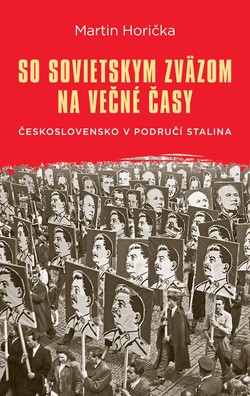
HORIČKA, Martin - So Sovietskym zväzom na večné časy. Československo v područí Stalina. Bratislava : Slovart 2025, 352 s.
HOMZA, Martin - Stredná Európa, vol. 1: Na začiatku stredoveku. Bratislava : Univerzita Komenského v Bratislave, 318 s.
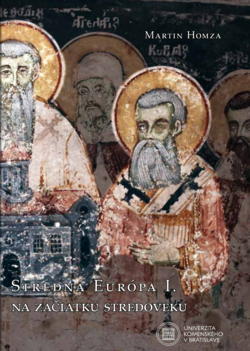
The book Central Europe, Vol. 1: At the Beginning of the Middle Ages (orig. Stredná Európa, vol. 1: Na začiatku stredoveku) is already the third, revised and expanded edition of Professor Martin Homza’s publication.
BENKA, Peter. Bystrická agenda. Monumenta Linguae Slovacae, vol. X. Bratislava : Univerzita Komenského v Bratislave, 386 s.
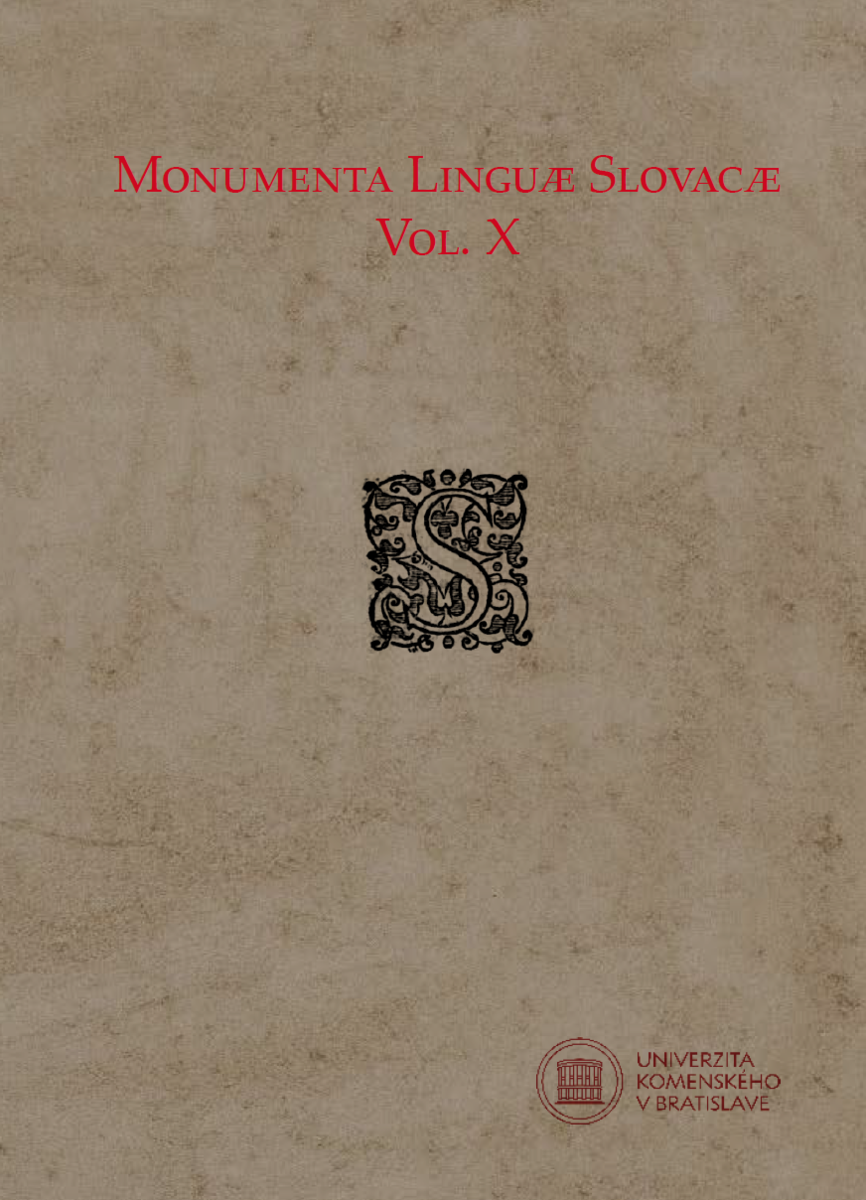
The publication Monumenta Linguae Slovacae X: The Banská Bystrica Agenda presents an edition of two unique liturgical sources – the printed Czech Agenda from 1581 and the manuscript Banská Bystrica Agenda from 1585. These are important documents from the milieu of Evangelical church congregations in the central Slovak mining towns, reflecting not only Reformation impulses but also local liturgical practices.
The volume includes two accompanying studies – a historical introduction by Peter Benka and a linguistic analysis by Pavol Žigo. The edition respects the original form of the sources, with missing parts supplemented from other surviving copies.
The publication has interdisciplinary potential, offering valuable material for historical, linguistic, theological, and musicological research. It is also available online.
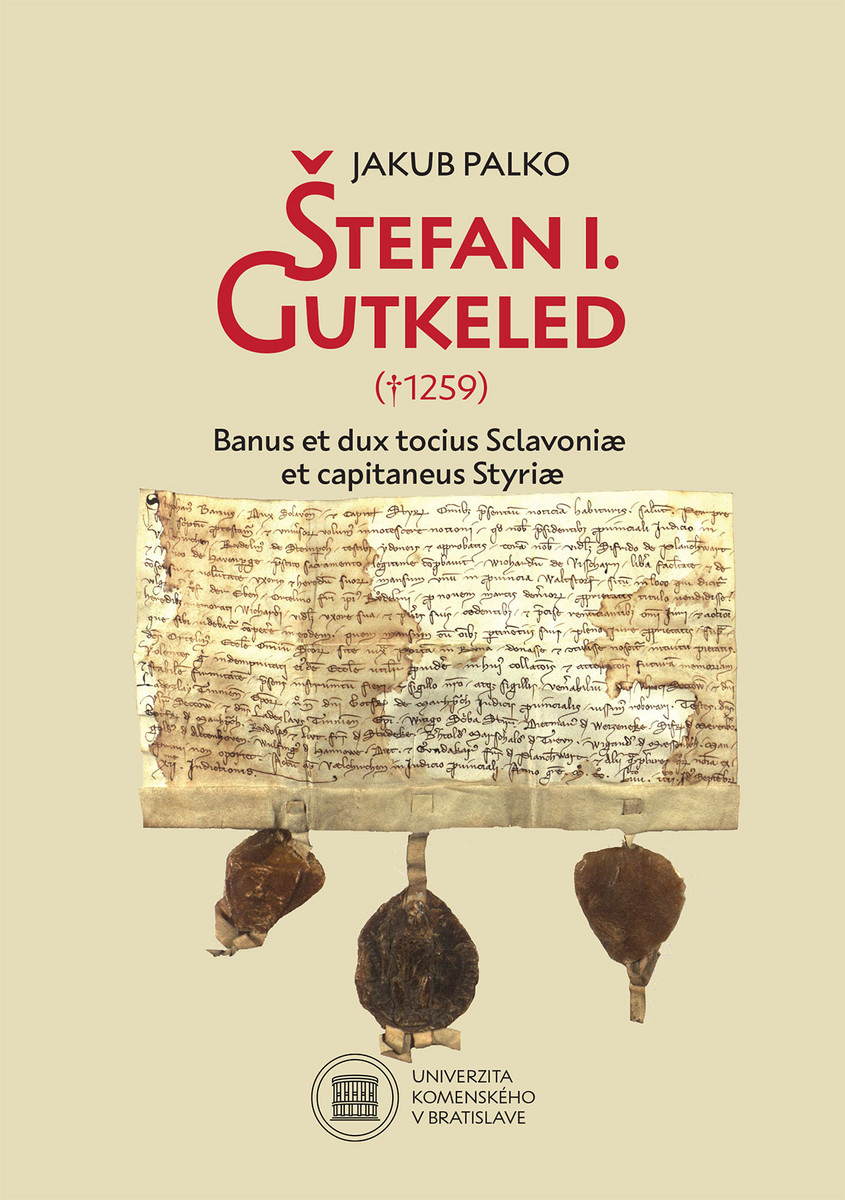
PALKO, Jakub. Štefan I. Gutkeled. Bratislava : Univerzita Komenského v Bratislave, 2024, 184 s.
VAŠŠ, Martin. Inšpirovaní Talianskom : slovenskí umelci a Taliansko v 20. storočí. Bratislava : Marenčin PT, 2024, 272 s.
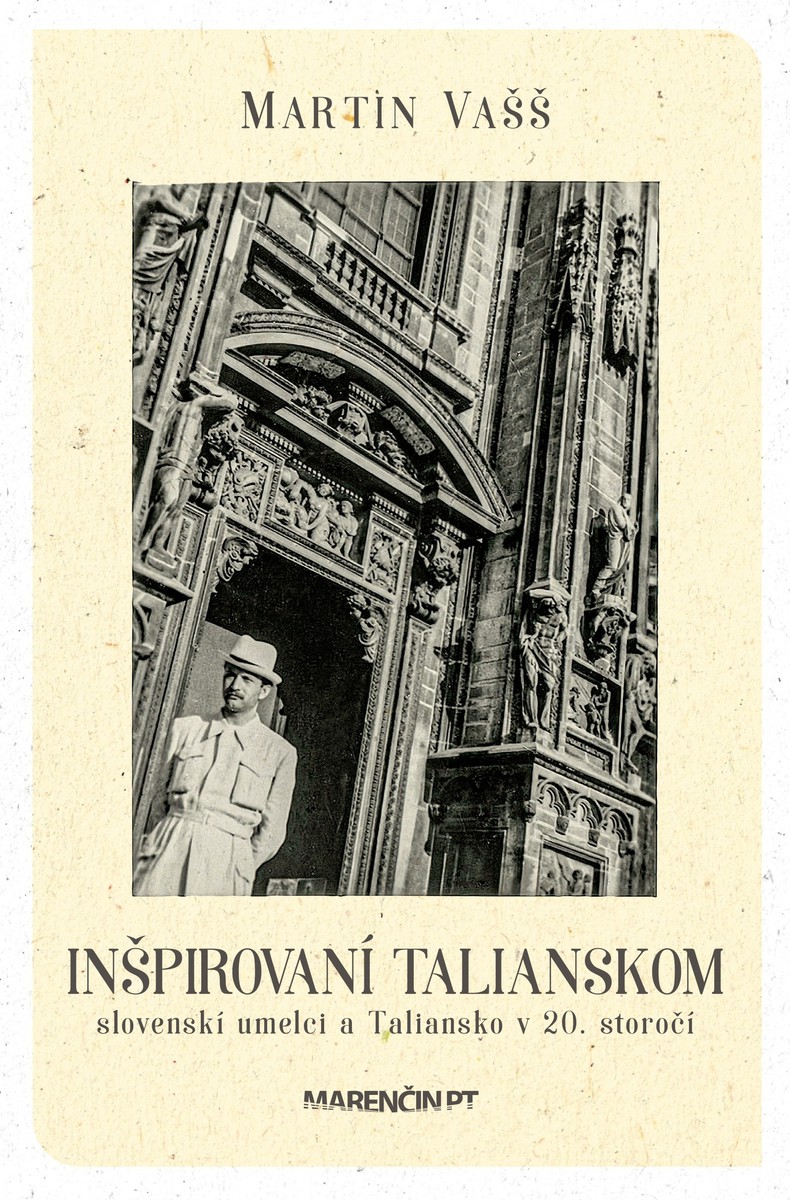
Italy has attracted the attention of European artists over the past several centuries thanks to its exceptionally rich combination of cultural stimuli. The fascination with Italy did not bypass Slovak artists from the ranks of visual artists, writers, and opera singers either.
In the present publication, the author focuses on the 20th century and seeks, through a representative sample of Slovak artists (Mitrovský, Hrušovský, Blaho, Blühová, Hoza, Rolko, Beniak, Jégé, Benka, Petrašovič, Žáry, Dilong, Vesnin, Strmeň, Pudiš, Zmeták, Turčány, and others), to demonstrate that Italy remained an important source of inspiration for Slovak artists during this period as well.
BENKOVÁ, Eva - PALKO, Jakub (ed.). Miscellanea laureati. Výber z diela Jána Lukačku
BENKOVÁ, Eva (ed.). Vyeru tak gyest. K sedemdesiatinám profesora Jána Lukačku
VAŠŠ, Martin (ed.). Slovenský intelektuál na križovatke tradície a moderny. Bratislava : Univerzita Komenského v Bratislave, 2023, 232 s.

The present collective publication "The Slovak Intellectual at the Crossroads of Tradition and Modernity" (orig. Slovenský intelektuál na križovatke tradície a moderny) offers not only a wealth of new and previously unknown (or little-known) insights into Slovak intellectuals of the first half of the 20th century, but also provides a solid starting point for further research on other figures from among Slovak intellectuals.
At the same time, the volume represents the final outcome of the three-year research project of the same name, VEGA 1/0139/21. The project’s scholarly aim was to contribute—through the lens of historical research—to the study of the relationship between tradition and modernism, political engagement, and ideology in the public and journalistic activities of Slovak intellectuals in the first half of the 20th century.
The common denominator of the team of contributors—composed of a generationally diverse group ranging from a full professor and Doctor of Sciences to recent graduates of master’s studies in history—is that they either work at the Department of Slovak History at the Faculty of Arts of Comenius University, or successfully completed their degree theses at this department.
LABANCOVÁ, Ivana: Monumenta Linguæ Slovacæ, vol. VII. Jazyk kazateľnice : Multilingvizmus vo františkánskom kazateľstve 18. storočia, Bratislava : Univerzita Komenského, 2021, 170 s.
LABANCOVÁ, Ivana - KUZMOVÁ, Stanislava: Monumenta Linguæ Slovacæ, vol. VI. Bratislava : Univerzita Komenského v Bratislave, 2021, 164 s.
The publication Monumenta Linguae Slovacae VI: Franciscan Sermons from the 18th Century makes available a selection of manuscript sermons from the Upper Hungarian milieu. This is a genre that Slovak historiography has addressed only marginally, although it represents a rich source for the history of language, mentality, and culture.
The sermons are presented not only as religious texts but also as media for the transmission of social and cultural patterns. The edition includes thirteen sermons from various parts of Upper Hungary, documenting a range of liturgical occasions.
The publication also offers accompanying studies on the character of the sermons, their transmission history, linguistic structure, and possibilities for interdisciplinary research. The corpus derives from the archives of the Minorites in Levoča and from the holdings of the Slovak National Library.
The volume is a valuable resource for historians, linguists, literary scholars, and theologians. It is also available online.
HOLEC, Roman - LUKÁČOVÁ, Alexandra. Európsky rod v slovenskom svete. Rod Friesenhof a Oldenburg (1789 - 1945)
PALKO, Jakub. Kráľovič Belo (1249 - 1269).
The publication "Prince Belo (1249–1269)" (orig. Kráľovič Belo) examines the life and political activity of the Duke of Croatia and Slavonia, the younger son of King Béla IV of Hungary (1235–1270). The author revises certain claims of earlier historians concerning his birth and his role in political affairs.
The book consists of an extensive scholarly study accompanied by a collection of primary sources with Slovak regesta.
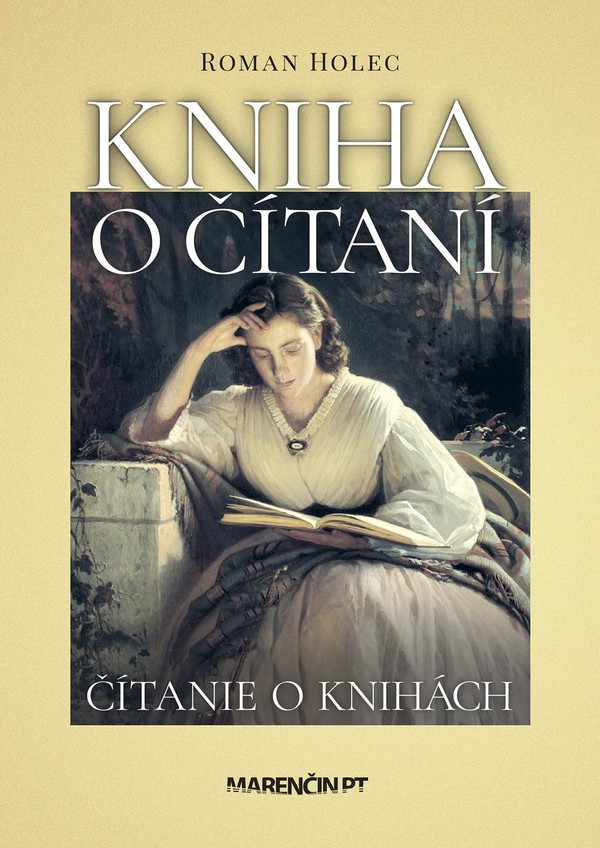
HOLEC, Roman. Kniha o čítaní. Čítanie o knihách.